Know your tides
Tidal charts play a crucial role in marine commerce. They indicate the times of low and high tides for a specific area on specific dates and therefore, they help getting ships and boats safely into and out of ports, building bridges and piers and determining the best fishing spots. Tides are caused by the gravitation pull of the moon and different phases of the moon have different effects on the sea. Herewith our local tidal chart for October.
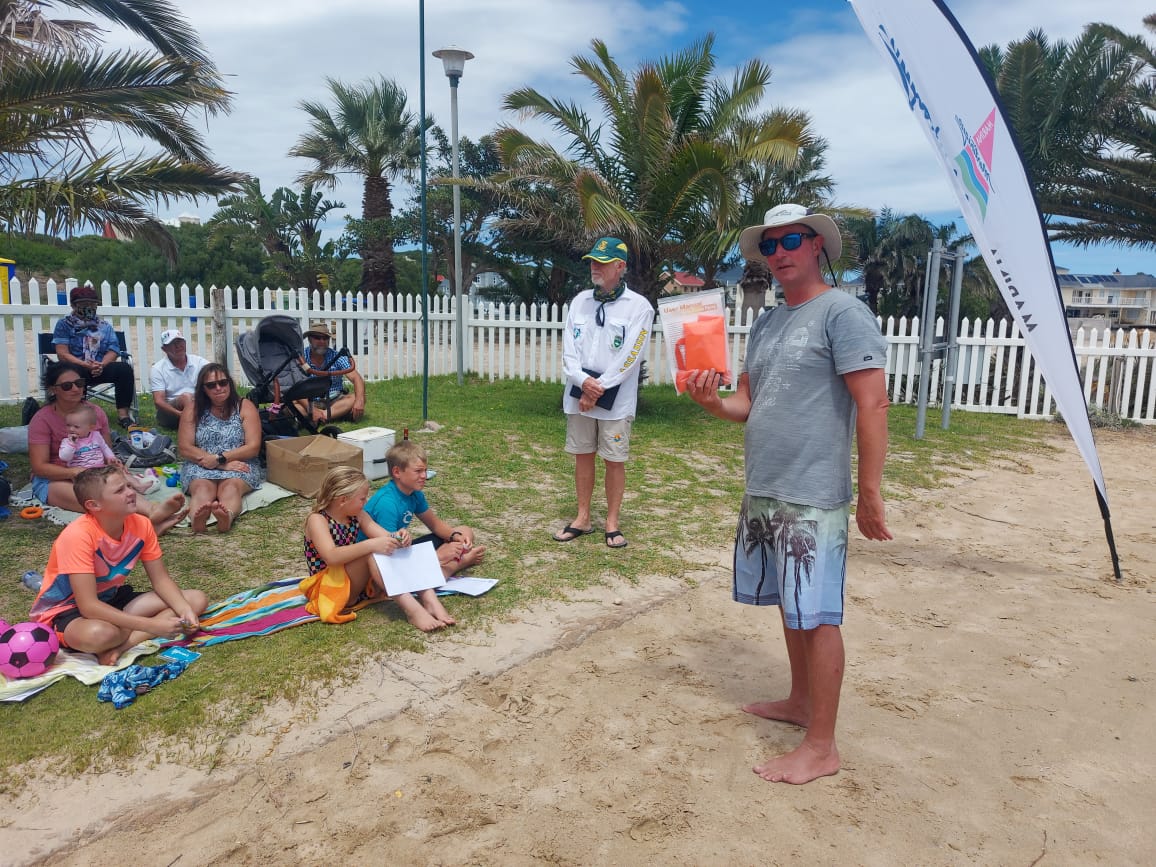
The goal of this activity is to teach young and old how the tides operate and how to read a tidal chart. Protea angler – Noel Skinner – did the training.
The tides are changing
Predicting and measuring tides and currents plays a crucial role in marine commerce. Tidal charts are important when getting ships and boats safely into and out of ports, building bridges and piers, determining the best fishing spots and tsunami tracking.
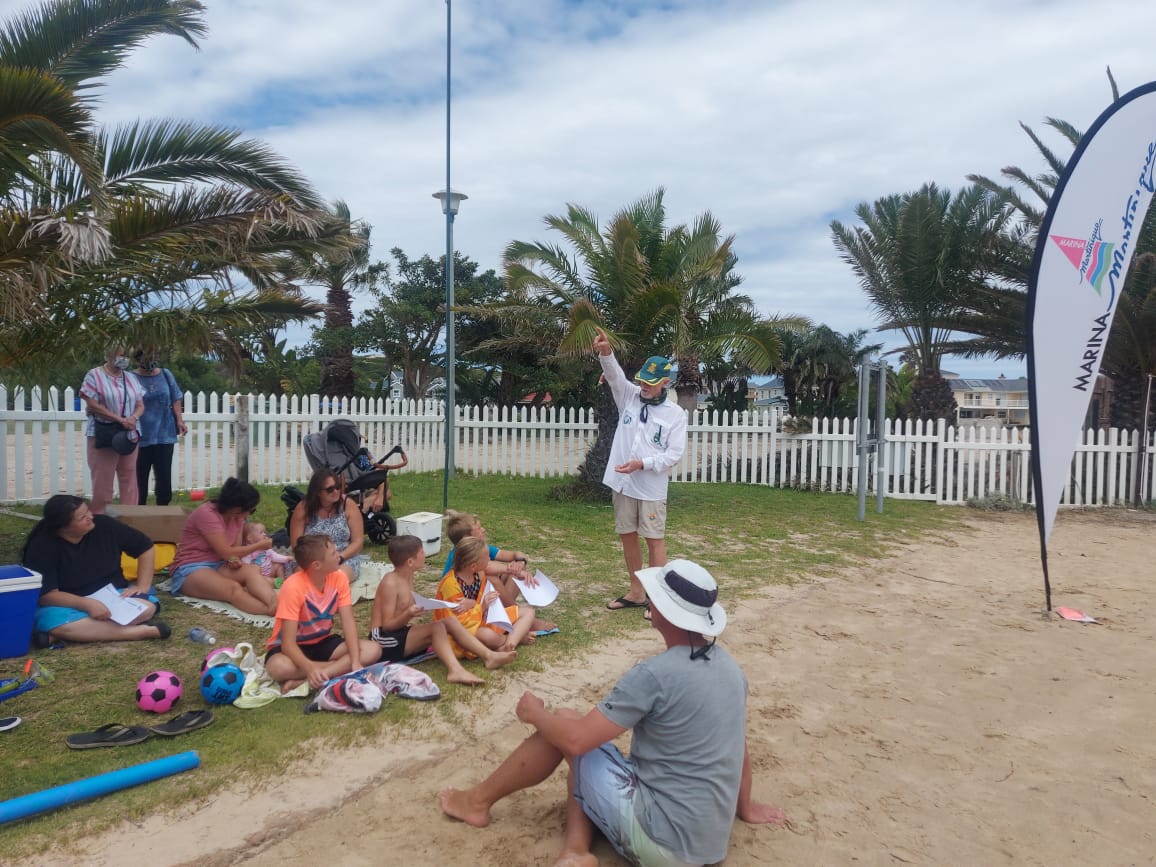
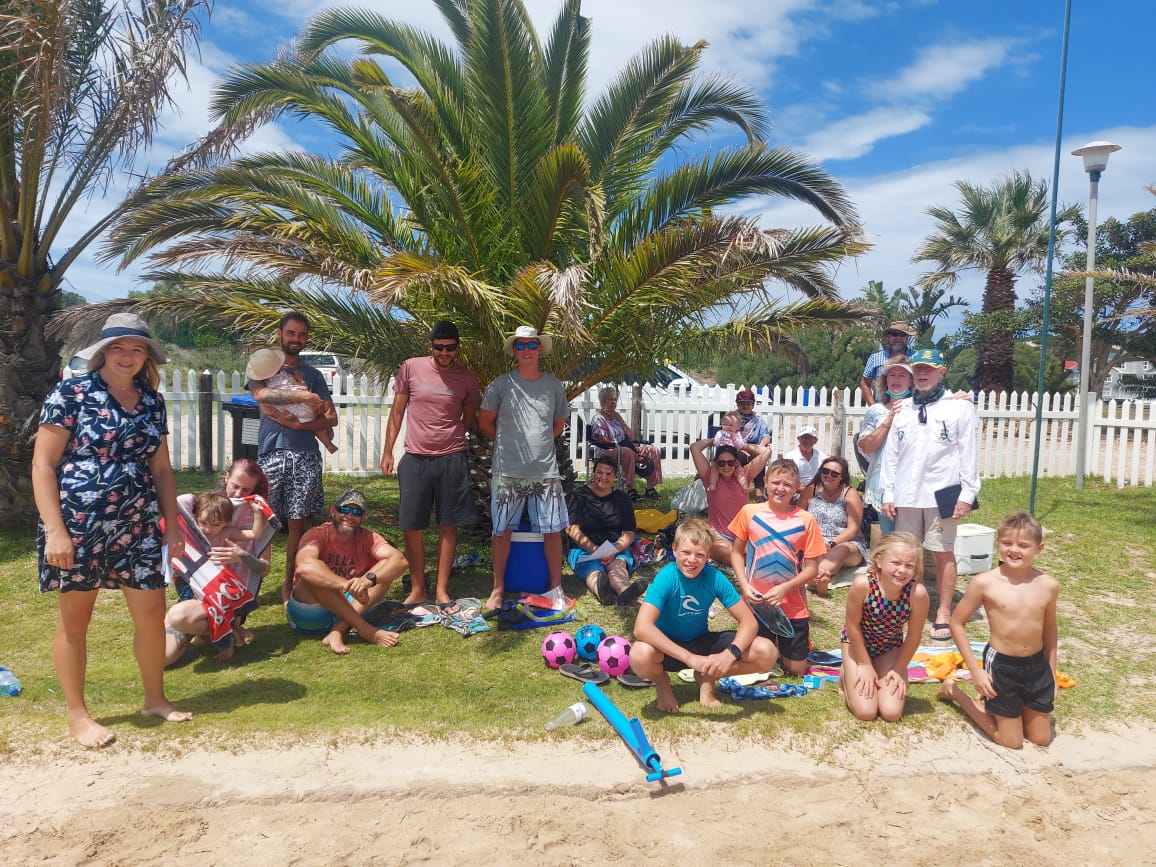
As part of a tidal chart training initiative, renowned Protea Angler Noel Skinner, gave the Marina Martinique Marine Club a talk on Sunday 20 February.
Noel has a wealth of knowledge on sea life and how the different tides work
He explained that tides are caused by the gravitation pull of the moon and that different phases of the moon have different effects on the sea.
Spring tides occur twice a month when there is a full moon and a new moon and are also influenced by the sun. Twice a year there are Equinox tides when the sun is over the equator. These tides are extreme and cause very high tides, so people should be cautious when out on these tides.
Tsunamis are caused by submarine earthquakes. They are massive swells that are difficult to notice when out at sea. These massive swells become waves when they reach the shallower ground.
Red tides are caused by microscopic algae that blooms and produces toxins that kill fish.
Rip tides are water currents between two sandbanks that cause many swimmers to drown. The best way to swim in a rip tide is to let the water wash you out and then to make your way to either bank.
There are two bodies of ocean that meet at Cape Agulhas, namely the Agulhas current and the cold Benguela current. When the cold Benguela current makes its way up the coast of South Africa, the sardine run occurs as the sardines need to cold water to survive.
Noel says it’s important to limit your catch otherwise stocks will get depleted and future generations will suffer.