
The removal of millions of seashells for centuries from the ocean shores, now poses a threat to the marine ecosystems.
In a study more than 30 years in the making, researchers have found that the removal of shells from beaches could not only damage ecosystems, but also endanger organisms that rely on shells for their survival.
Shells provide materials for birds’ nests, a home or attachment surface for algae, sea grass, sponges and a host of other microorganisms.
Seashells are made of calcium carbonate. Calcium is released into the ocean when shells are broken down in current movements. Organisms requiring shells then absorb calcium and bicarbonate from the environment around them to make new shells.
Less calcium and bicarbonate in the ocean means no more shelled organisms and no more seashells.
In an effort to help save the marine ecosystems, the Marina is urging residents to return unused forgotten shells in their garages to the sea. Shells can also be dropped off at the Marina offices. There will be events in March and April where the shells will be put back where they belong – in the ocean.
* This approach of the Marina is based on a study undertaken on a stretch of coastline on Spain’s Northeastern Mediterranean shore. Researchers found the the abundance of seashells there had over three decades decreased by 60 per cent. Over the same period tourism had increased by 300 per cent. In some countries, there are already restrictions on the removal of huge quantities of seashells from beaches.
Help us to return unused and broken shells to the beach by either returning it yourselves or dropping it off at the Marina offices. The Wildlife Committee will then return it to the ocean.
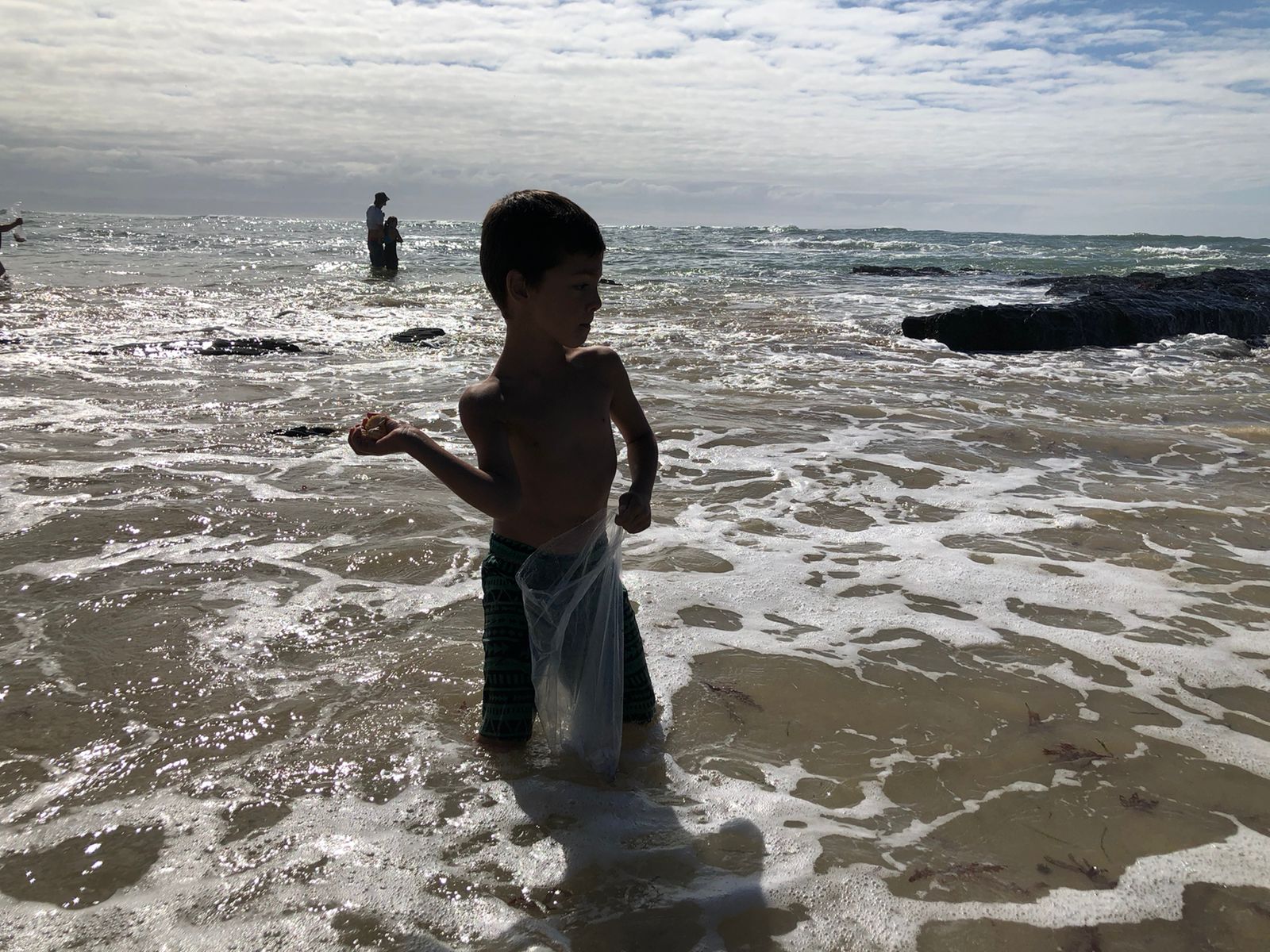

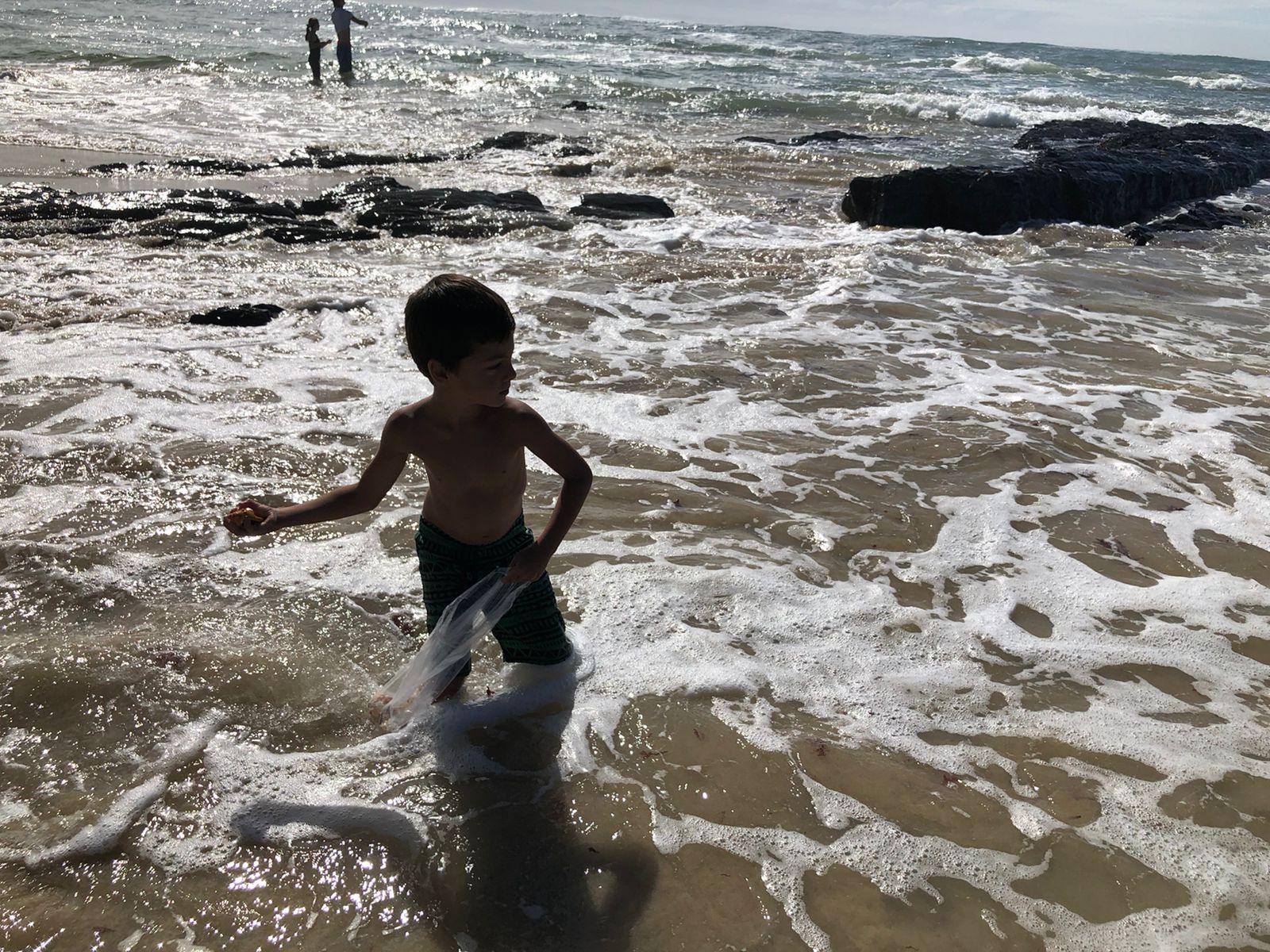


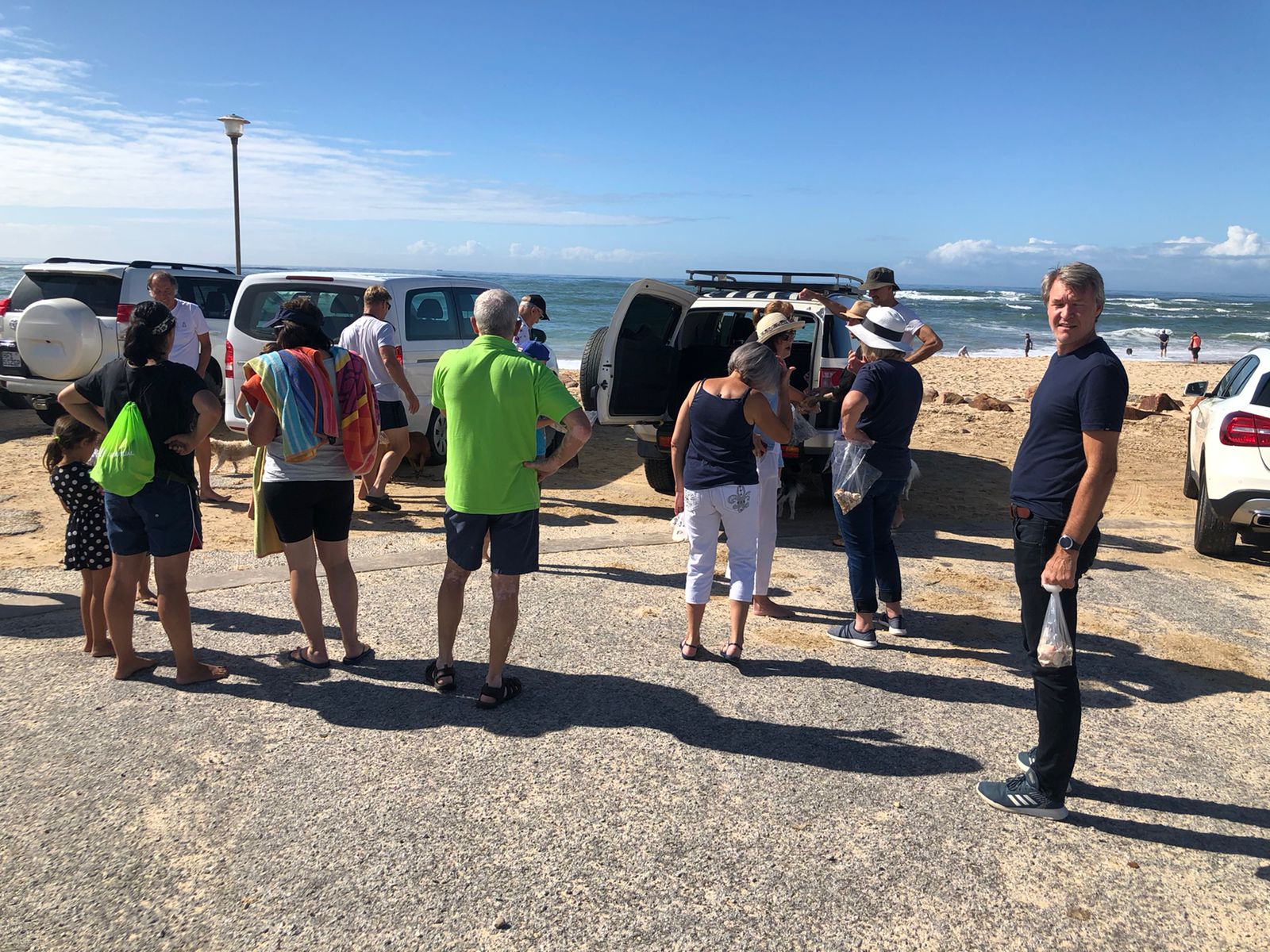
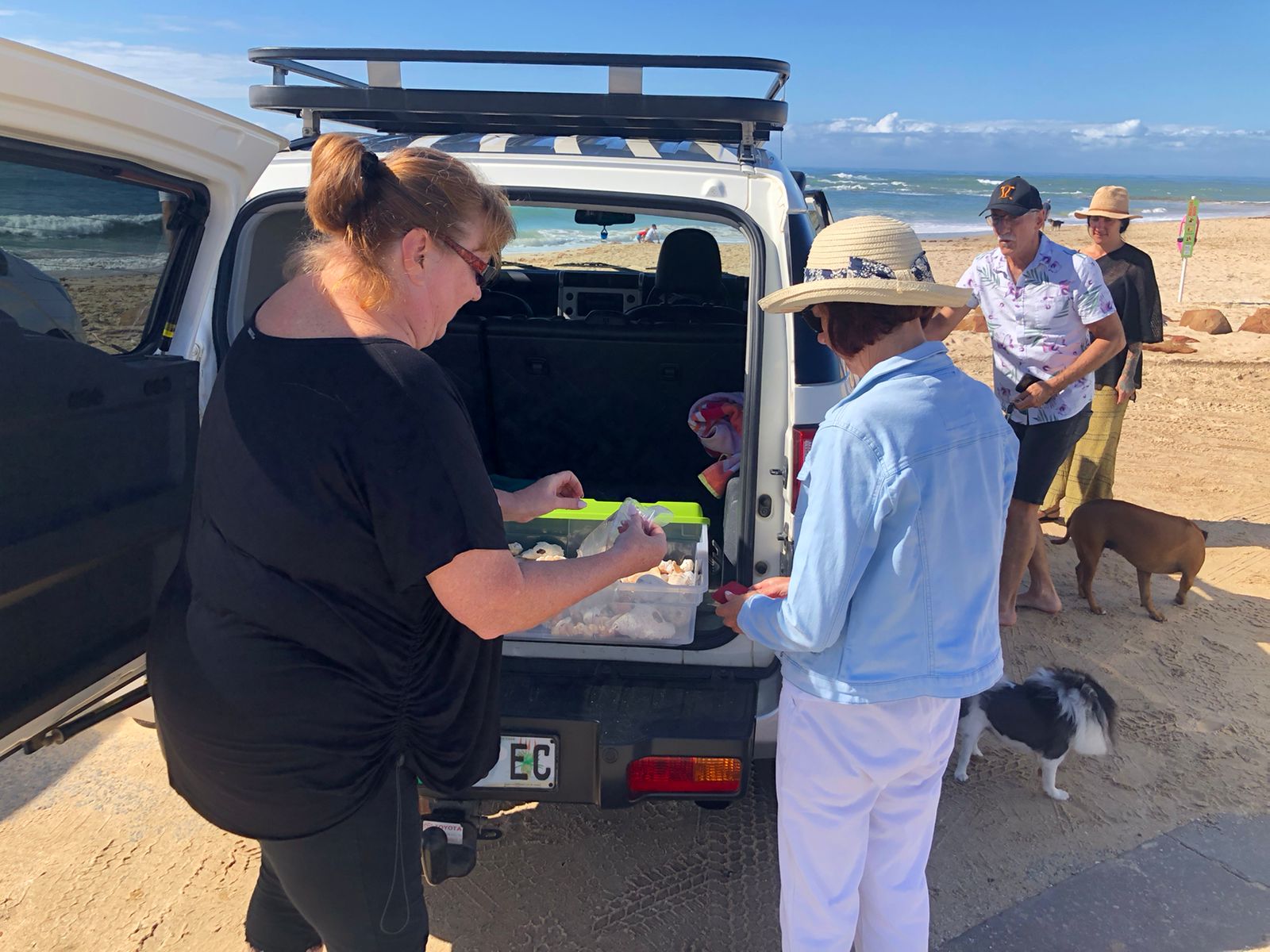
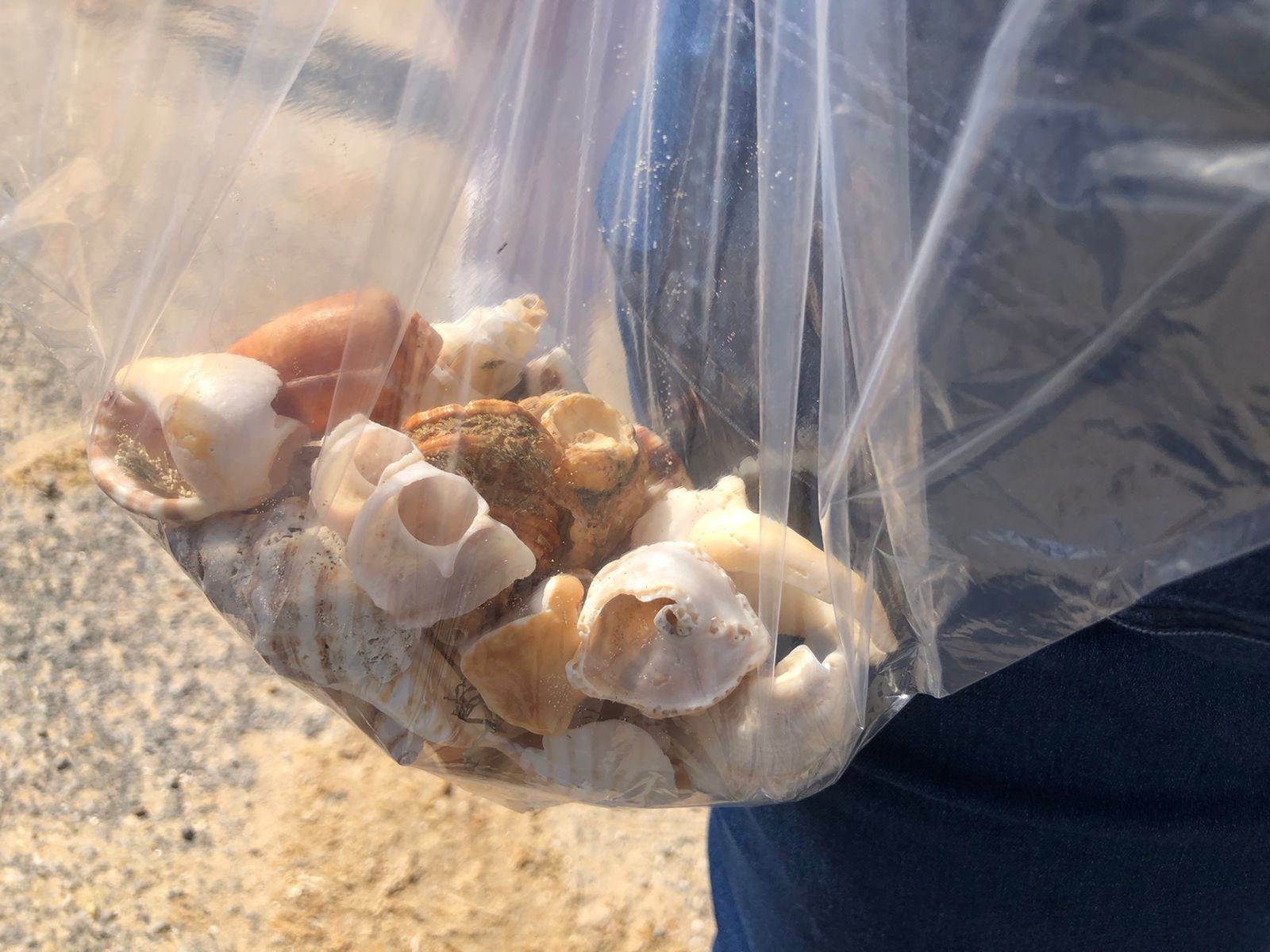
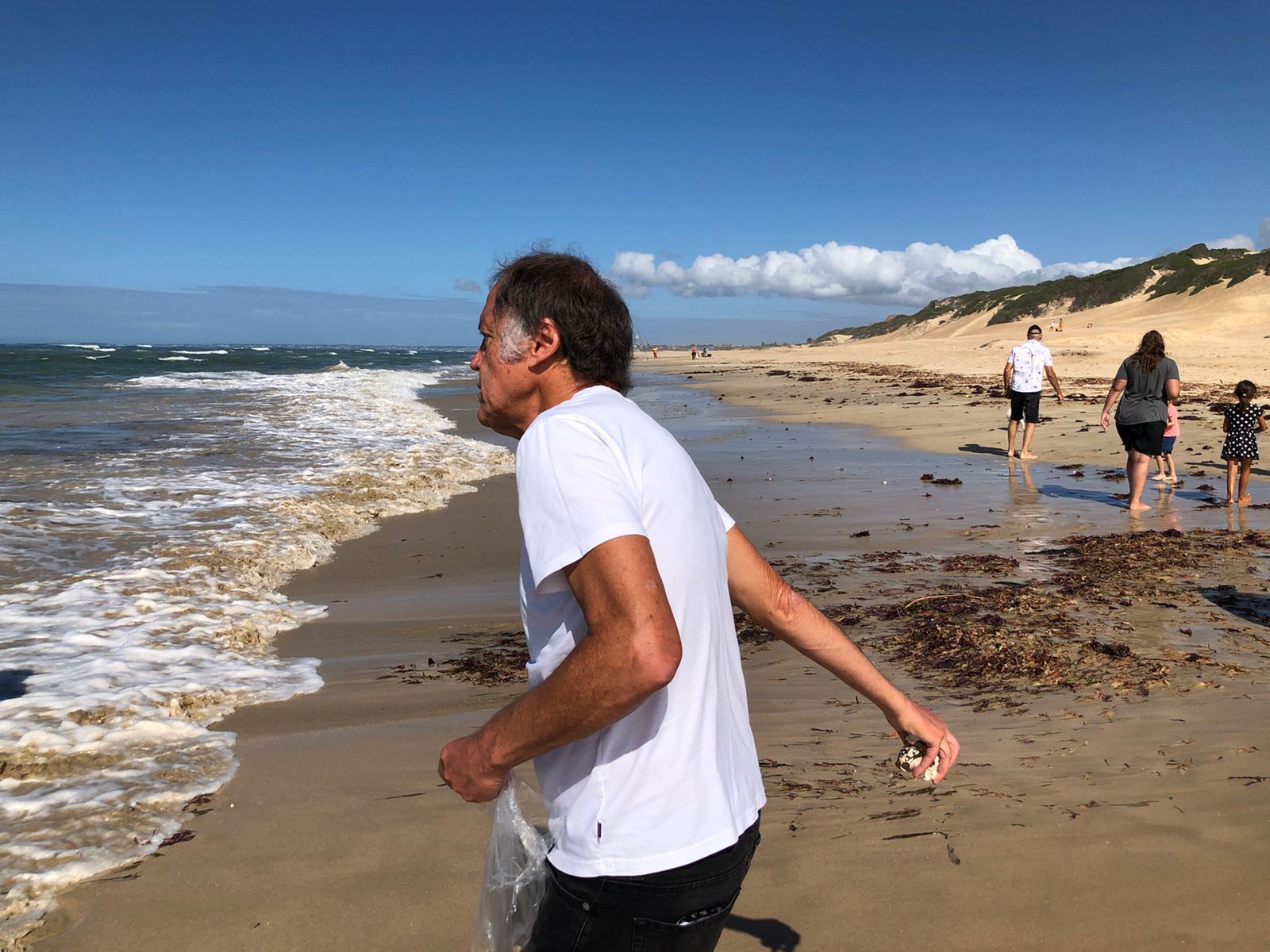

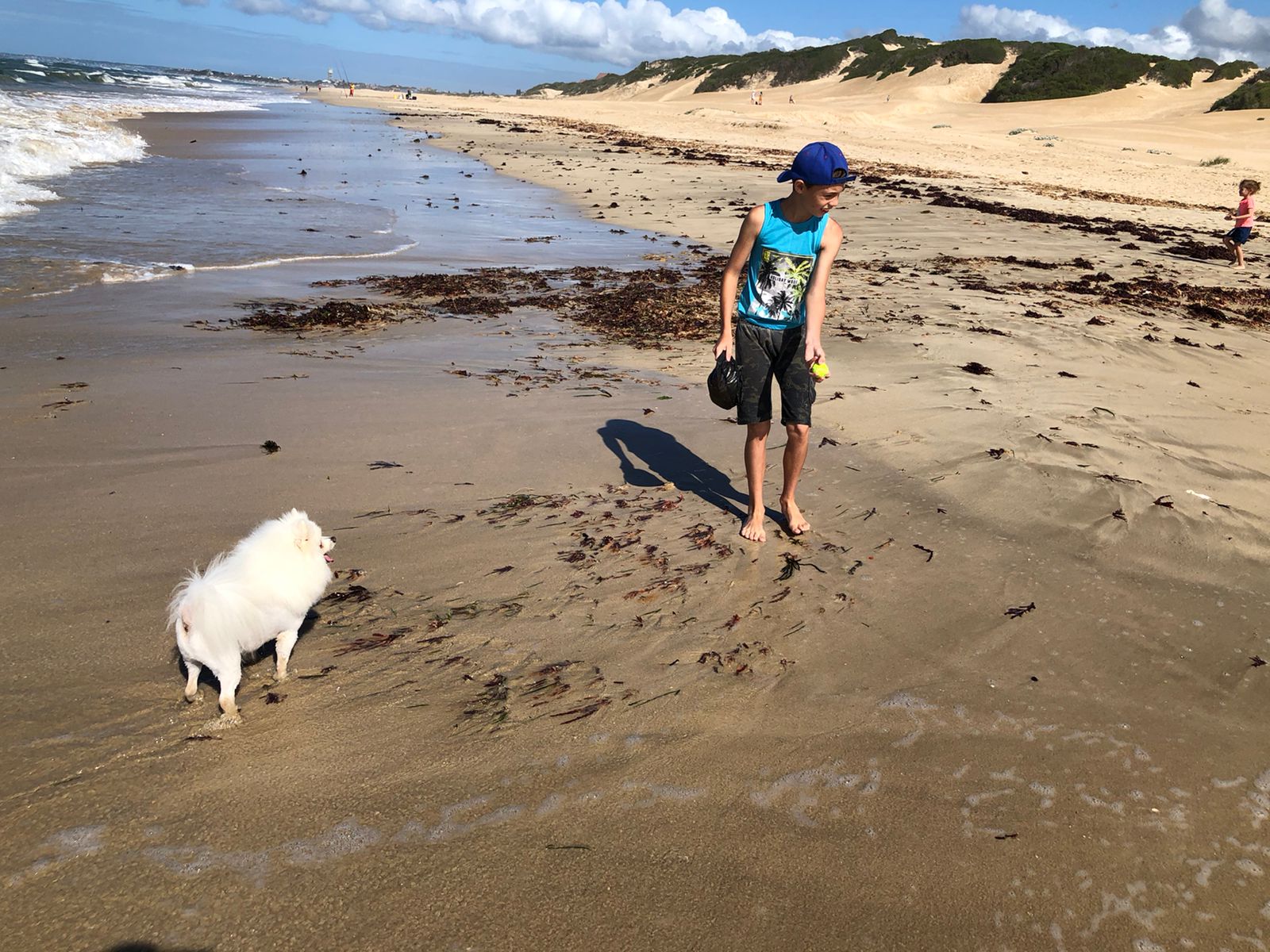

Members of the Wildlife Committee and Marina residents returned hundreds of unused and broken shells to the sea on 26 April 2022. This initiative is in line with an international trend to boost marine ecosystems. It was a fun and educational event for both children and grown ups. Hopefully these shells will help to keep beach erosion in check and offer protection for vulnerable sea creatures. The Wildlife Committee would like to thank everyone who made time available to participate.