
MMHOA ENVIRONMENTAL BULLETIN
Cape Dune Mole-Rat (Bathyergus suillus)
Bushpig (Potamochoerus larvatus) – a new visitor to our estate
15 January 2025
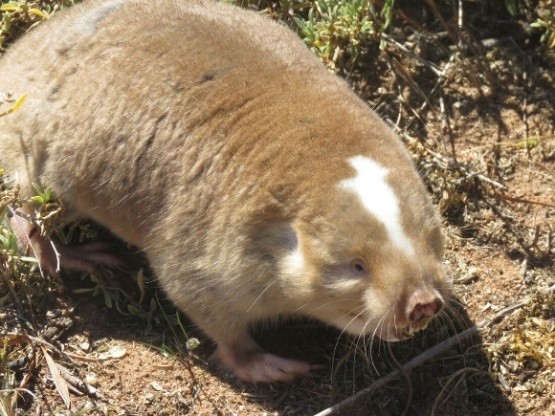
The Cape dune mole-rat (commonly known as a blesmol) has recently been observed in the farm area bordering Trinidad Place within Marina Martinique. This bulletin provides background information on the species, explains recent activity, and outlines appropriate, lawful responses by residents.

Picture taken at fence between Trinidad Place and Farm area.

Species Overview
The Cape dune mole-rat (Bathyergus suillus) is an endemic South African species, found only along the western and southern coastline between Vanrhynsdorp and Gqeberha. It naturally inhabits sandy soils along shorelines and riverbanks dominated by grasses, sedges, and herbs.
It is the largest of all blesmols, with adults measuring approximately 27–35 cm in body length and weighing up to 1.35 kg (males typically larger than females). The species is characterised by:
- A blunt, pig-like snout
- Cylindrical body and short limbs
- Powerful curved claws and strongly adapted forefeet for digging
- Cinnamon-brown to darker brown fur with greyish underparts
The genus name Bathyergus is derived from Greek, meaning “deep digger.”
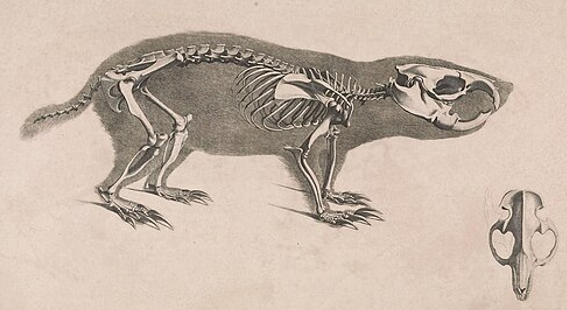
Note: Image amended from: https://www.wikiwand.com/ en/articles/Cape_dune_mole-rat#/media/
Behaviour and Diet
Cape dune mole-rats are strictly herbivorous, feeding mainly on grasses and sedges, which they pull into their burrows by the roots. They also consume bulbs and tubers of indigenous plants such as:
- Albuca nelsonii (Nelson’s slime lily / slymstok)
- Moraea miniata (two-leaf Cape tulip / pronktulp, kraaitulp)
As they seldom surface above ground, they are neither clearly nocturnal nor diurnal and may be active at any time of day, with peak activity often occurring in the afternoon.
Recent Observations at Marina Martinique
In recent months, increased mole-rat activity has been noted along the Trinidad Place boundary fence, particularly where food has been thrown over the fence into the adjoining farm area. This artificial food availability has altered natural behaviour, resulting in:
- Increased burrowing near the fence line
- Damage to established gardens
- Reduced skittishness and prolonged presence near residential boundaries
Lawful and Humane Deterrent Measures
Residents are not permitted to trap, poison, or harm wildlife, but may apply natural deterrents within their own gardens to discourage burrowing activity. The most effective methods rely on strong odours and repeated application:
Soil and Tunnel Deterrents
- Castor oil mixture:
- Mix 3 parts castor oil with 1 part liquid dish soap
- Dilute ±1 tablespoon of this concentrate per litre of water
- Apply thoroughly to affected soil areas and repeat as needed
- Garlic and chilli:
- Place crushed garlic cloves directly into tunnels
- Alternatively, spray a strained mixture of blended garlic and chilli with water into burrow openings
Additional Odour Deterrents
- Used coffee grounds spread around active areas
- Predator scents (e.g. used cat litter or dog droppings placed near burrow entrances)
Plant-Based Deterrents
Certain plants may help discourage mole-rats due to their scent or root structure, including:
- Tulbaghia violacea (Wild garlic – indigenous, water-wise, ornamental, and edible)
- Garlic, onions, marigolds, and daffodils
A video of the dune mole-rat digging, is available at URL: https://www.wikiwand.com/en/ articles/Cape_dune_mole-rat#/media/File:Bathyergus_suillus_Western_Cape,_ZA_ imported_from_iNaturalist_photo_28924691.gif

Prohibition on Feeding Wildlife
All residents are reminded that feeding wildlife is strictly prohibited within Marina Martinique, including along boundary fences and canal banks. Feeding wildlife:
- Encourages unnatural population growth
- Alters natural behaviour
- Contributes to the spread of pest species and associated damage
This conduct is regulated under Conduct Rule 18.20, which provides for fines ranging from R1,000 (first offence) up to R4,000 for repeat transgressions. The rule applies equally to the Marina’s newly acquired farm area.
No member, resident, visitor, contractor, or tenant may place food items (including vegetables, fruit, bread, grain, or similar materials) anywhere within the estate or along boundary areas. Only approved game pellets placed by Management in designated areas are permitted.
Let’s work together
The Cape dune mole-rat is a protected, indigenous species and forms part of the natural biodiversity of the region. Responsible behaviour by residents—particularly not feeding wildlife and using lawful, humane deterrents—is essential to prevent further conflict between wildlife and residential gardens.